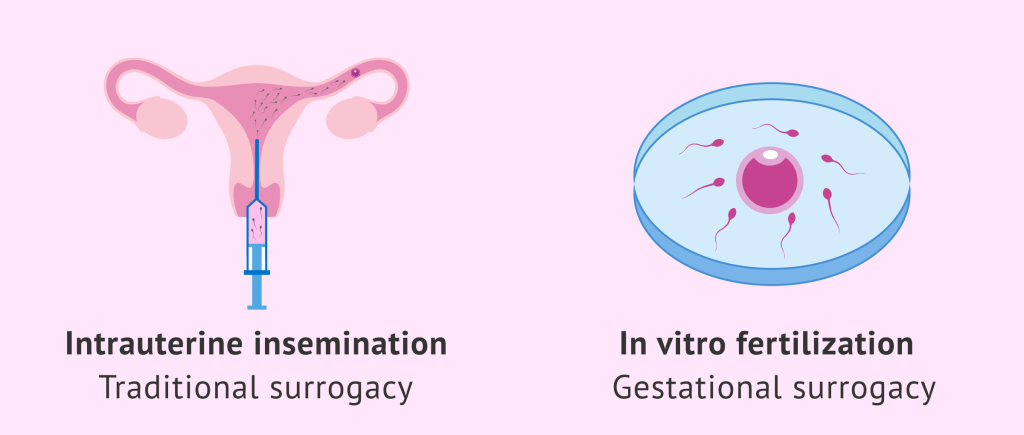
Assisted Reproductive Technology (ART) – Techniques Used in Surrogacy
The main assisted reproduction techniques are ‘in vitro’ fertilisation (IVF) and artificial insemination. In surrogacy, IVF is applied.
The main assisted reproduction techniques are ‘in vitro’ fertilisation (IVF) and artificial insemination. In surrogacy, IVF is applied.
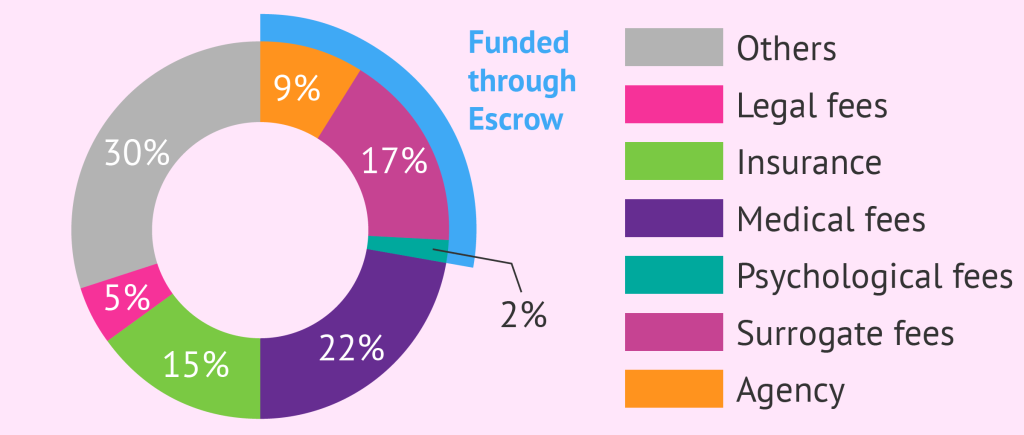
How much does a gestational surrogate cost? Get a breakdown of the general costs, including the estimated agency, gestational carrier & egg donor fees.

From an international perspective, surrogacy is illegal in most countries, which makes pursuing surrogacy overseas an option for many intended parents.
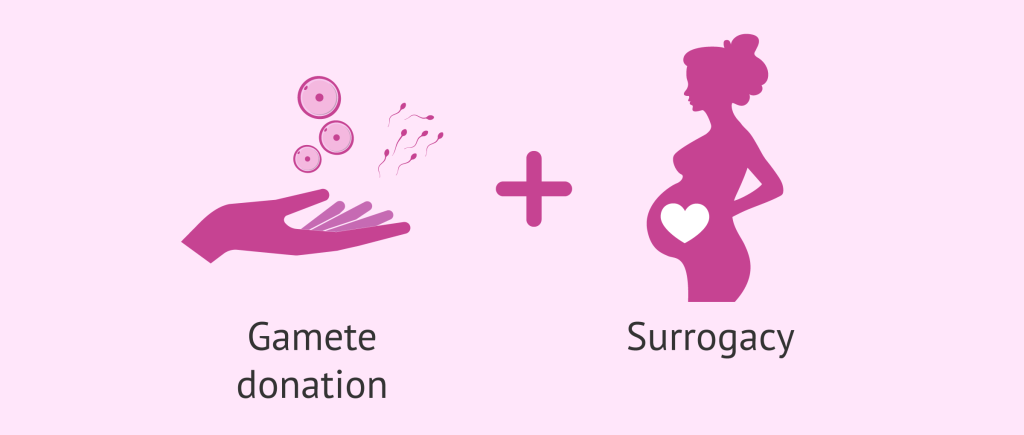
Egg donation is possible in surrogacy as long as it is done in a country whose law allows the combination of both techniques.
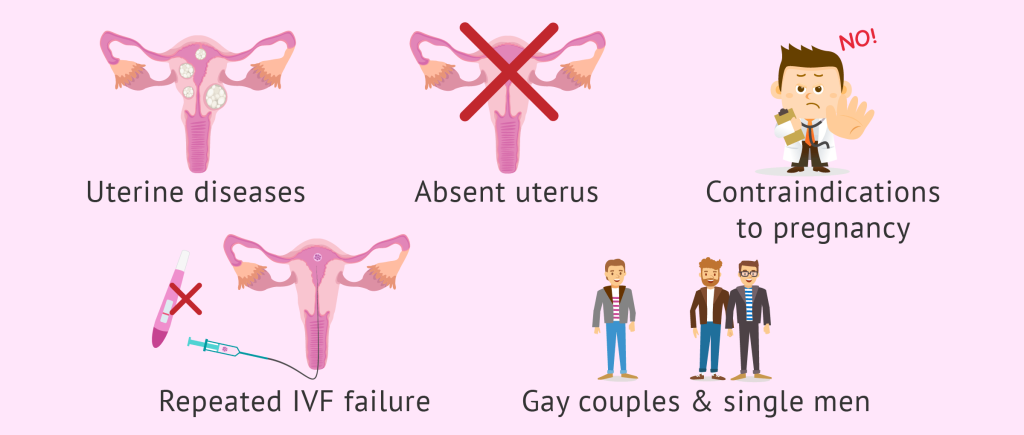
Surrogacy or surrogate motherhood may be an infertile couple’s first choice or a last resort for certain medical reasons. Absence of uterus, uterine anomalies, contraindication to pregnancy, serious medical conditions, or a biologic inability to conceive and bear a child are some causes.
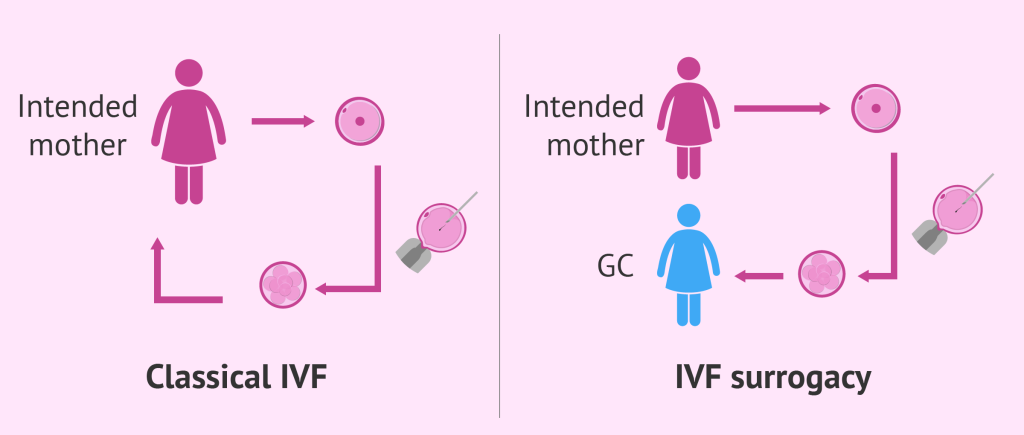
IVF surrogacy requires a surrogate that agrees to sign a contract with the intended parents stating her intention to carry a baby for them. She will then undergo a procedure called “embryo transfer” using embryos created through IVF with the eggs and sperm of the intended parents or donors, if needed.

There are no international laws on surrogacy. The prohibition of surrogate in soe countries is responsible for the fertility tourism.

Is surrogacy an ethically acceptable practice? What are the moral implications of its practice? This is discussed in this article.

For the intended parents, looking for an agency and starting the surrogacy journey can be overwhelming. This guide aims to help you understand each step.
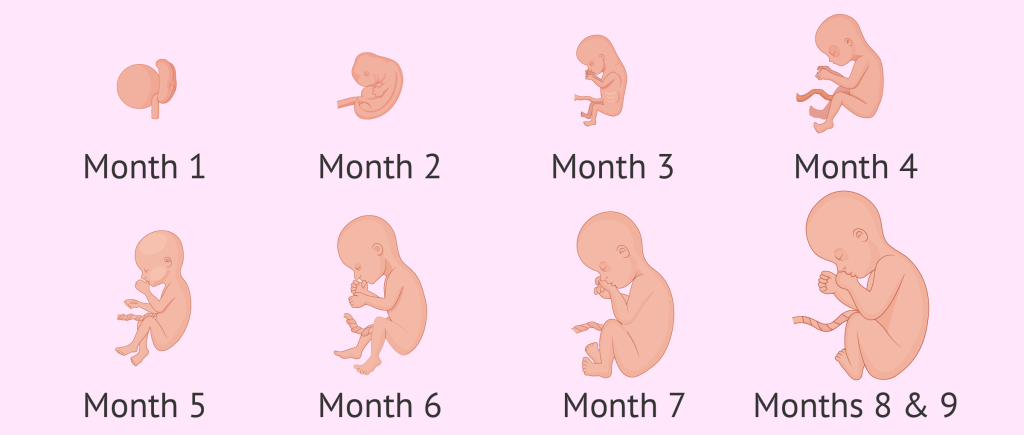
How does pregnancy progress in surrogacy? Discover all the stages, the care that the surrogate will follow and the monitoring that she will go through.