Autoimmune Diseases: – How Do They Affect Fertility?
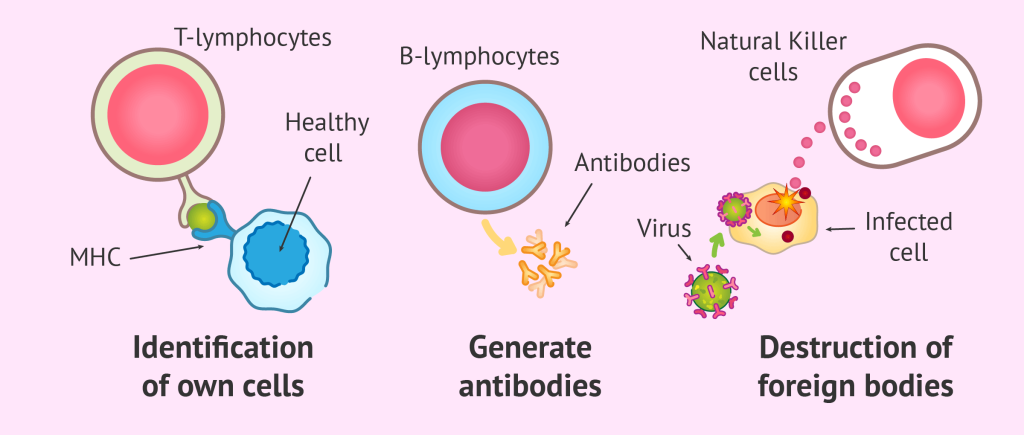
Autoimmune diseases cause the immune system to attack the body’s own cells. Sometimes, fertility can be affected and/or pregnancy can be life-threatening.
Autoimmune diseases cause the immune system to attack the body’s own cells. Sometimes, fertility can be affected and/or pregnancy can be life-threatening.
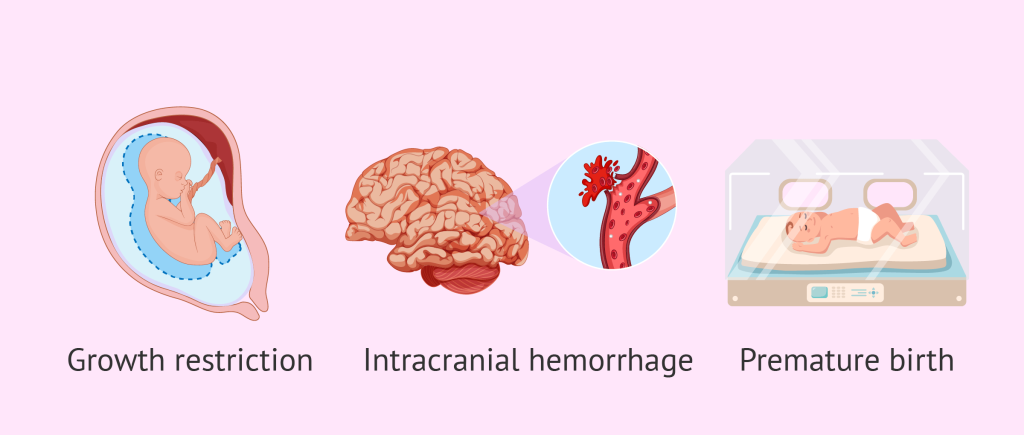
Heart disease or cardiovascular disease increases the risk of complications during pregnancy, so in some cases women are advised not to become pregnant.
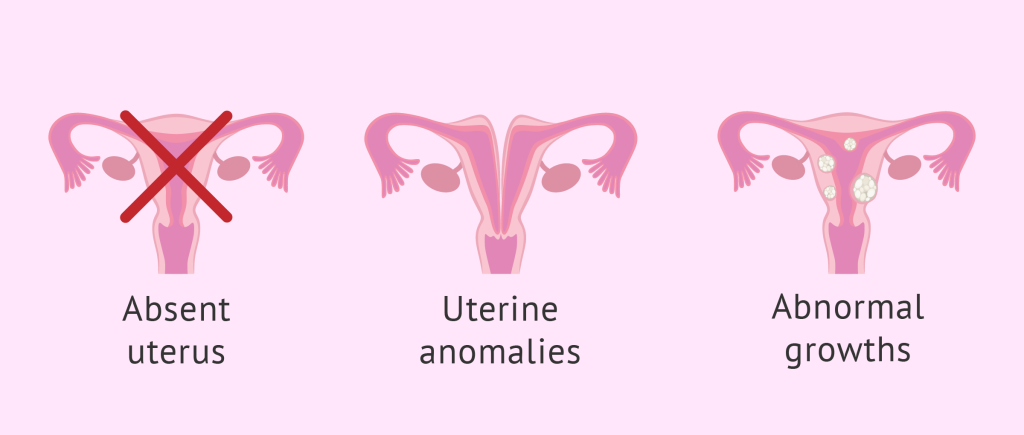
Some conditions are considered contraindications to pregnancy and women who suffer from them may need to use a surrogate to have children.
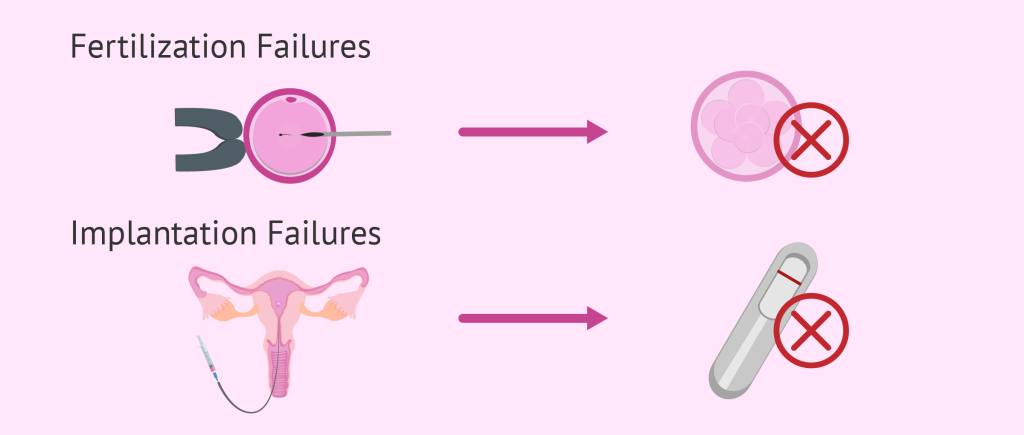
Reccurrent IVF failures can lead a woman or couple to consider the option of surrogacy in order to become parents.
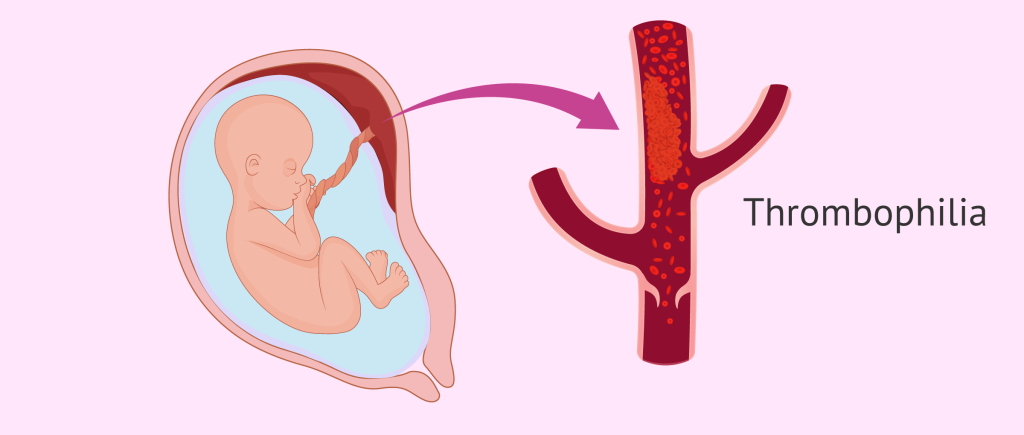
Thrombophilias and blood clotting problems may be associated with a large percentage of repeated miscarriages of unknown cause. These women have difficulties in gestation and in some cases resort to surrogacy.

Uterine cancer usually requires surgery as a treatment, so many women with this disease have to resort to surrogacy to become mothers because they can not carry a child anymore.
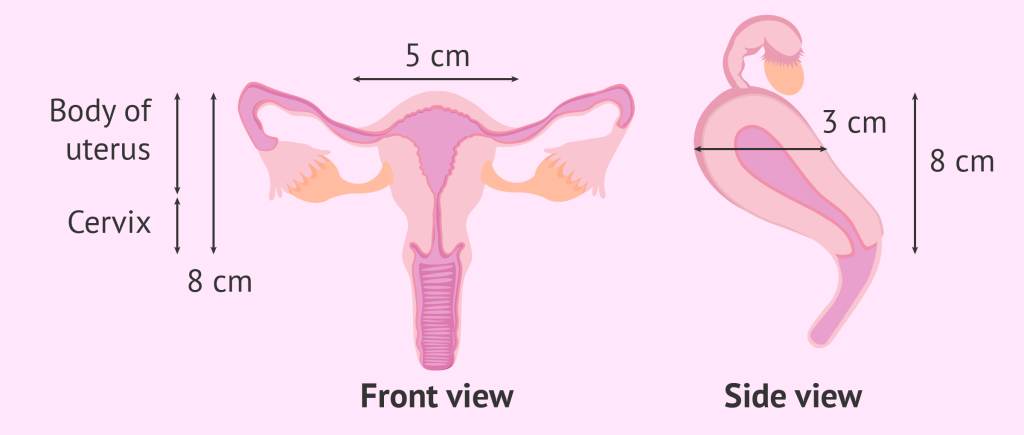
Absolute uterine factor infertility (AUFI) includes all types of uterine diseases and anomalies that affect the structure and functionality of the uterus, causing female infertility. When completion of a pregnancy to term is not possible, gestational surrogacy might be an option.