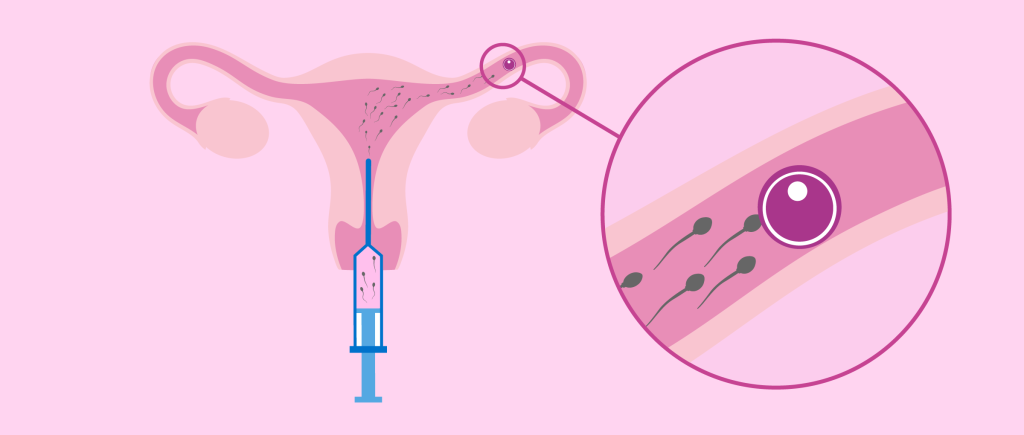
What is Intrauterine Artificial Insemination?
Artificial insemination is a simpler assisted reproductive technique than IVF. It is about artificially depositing semen in the female uterus.
Artificial insemination is a simpler assisted reproductive technique than IVF. It is about artificially depositing semen in the female uterus.
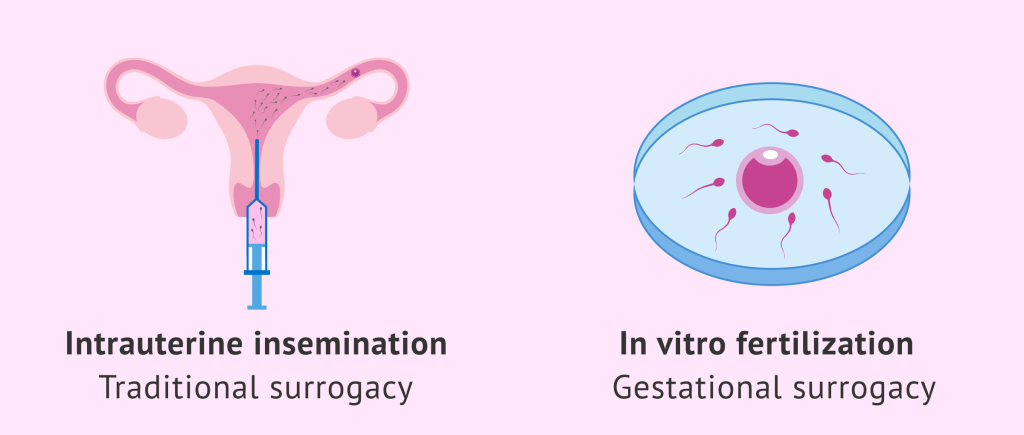
The main assisted reproduction techniques are ‘in vitro’ fertilisation (IVF) and artificial insemination. In surrogacy, IVF is applied.
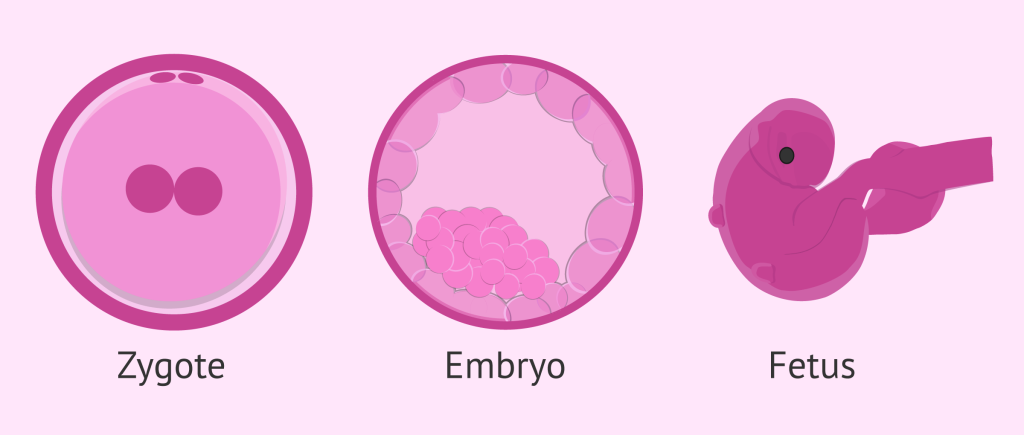
The meanings of zygote, embryo and fetus are different, although they tend to be confused. In this article we explain the differences.
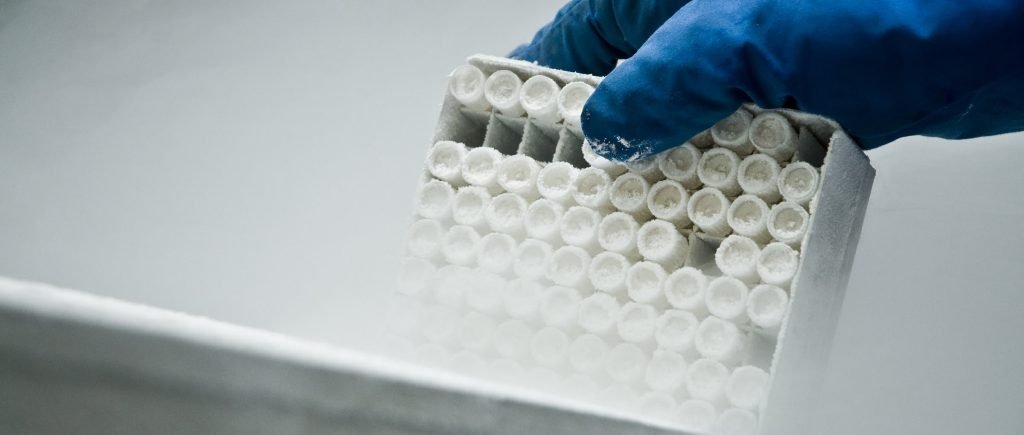
Vitrification is an ultra-fast freezing method that allows embryos to be preserved without causing damage to their internal structure.
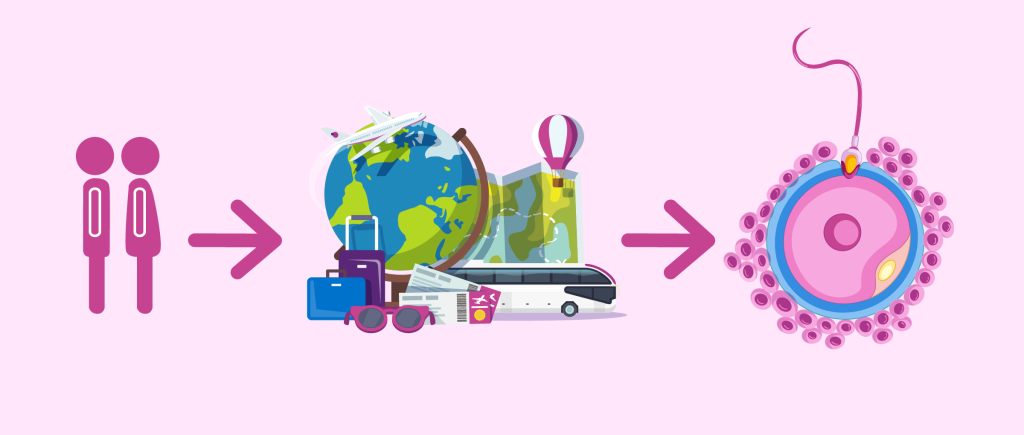
Fertility tourism, also known as reproductive tourism or cross-border reproductive care, is a type of medical tourism that involves traveling to a foreign country or another jurisdiction to undergo fertility treatment, usually surrogacy, donor conception, or gender selection
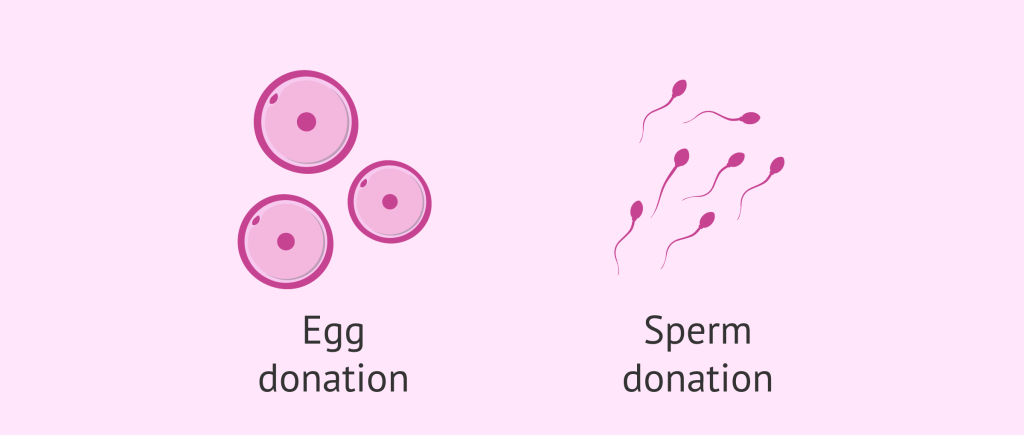
In surrogacy, gametes donation can also be used. If necessary, an egg donor, a sperm donor or even the donation of both gametes can be used.
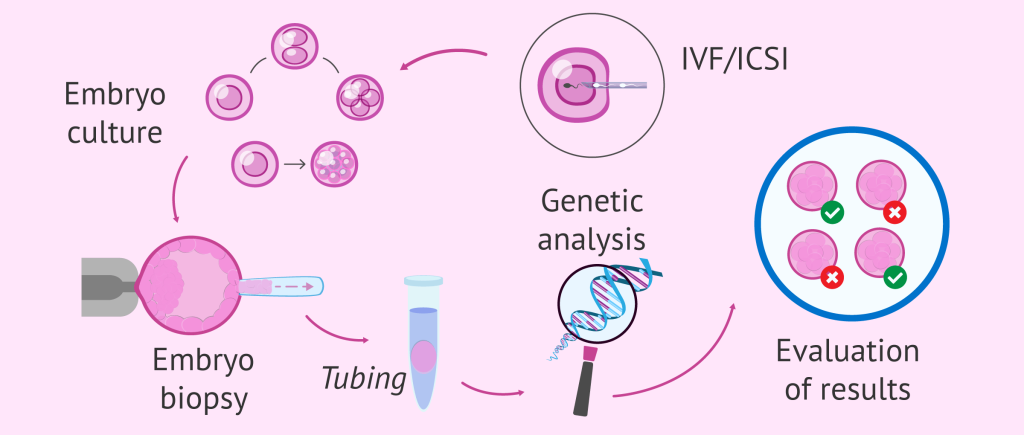
PGD is a complement to the IVF technique that helps to prevent the birth of children with genetic anomalies as well as to reduce miscarriages and implantation failures.

Is it possible to select the sex of the baby by express wish of the parents or is it only allowed if it is for therapeutic purposes? What techniques are used for this? The answers in this article.
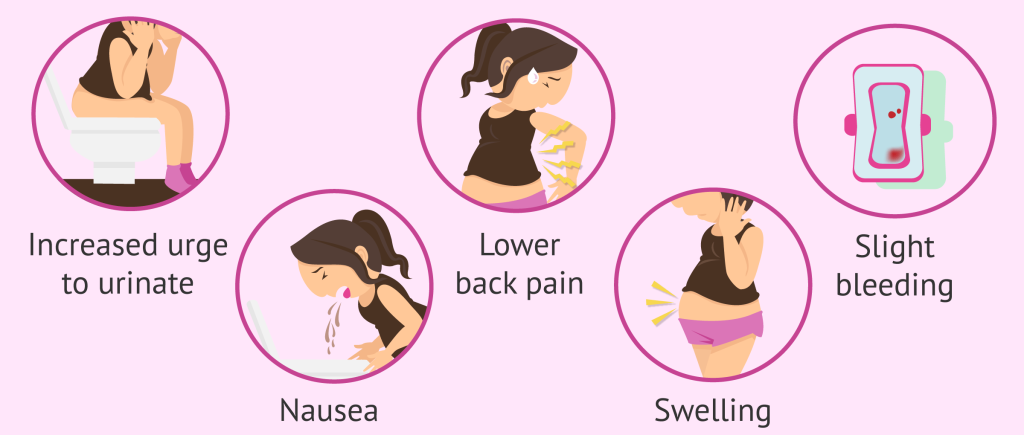
The purported Two-week wait is the period between a reproductive treatment and the realization of the pregnancy test. What symptoms do occur?