What is the difference between IVF and ICSI?
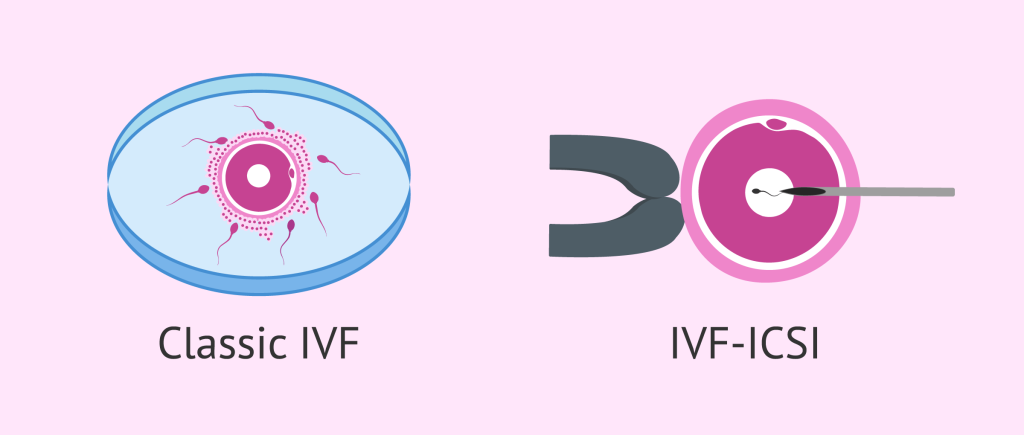
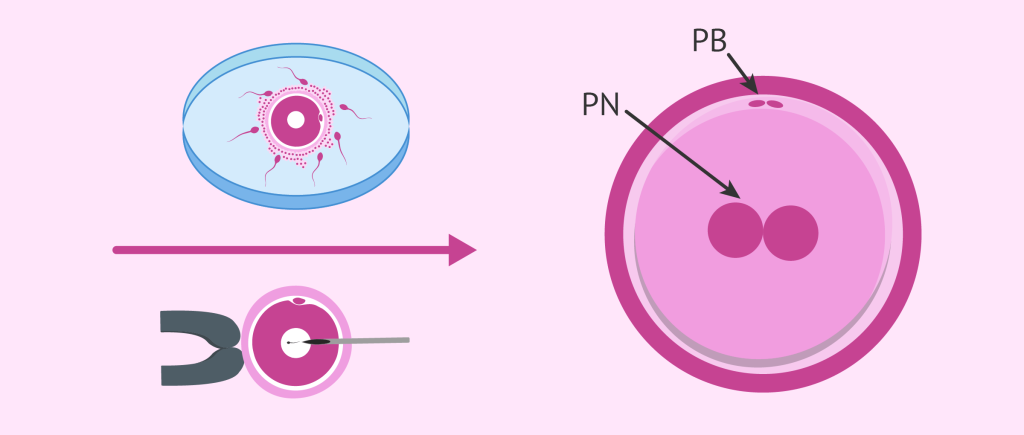
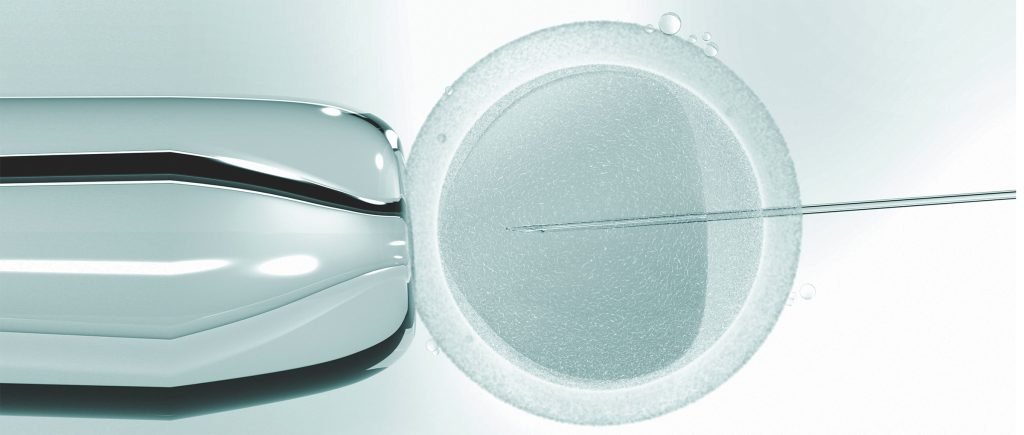
The main difference between conventional IVF and ICSI lies in the way the union of egg and sperm takes place.
The main difference between conventional IVF and ICSI lies in the way the union of egg and sperm takes place.
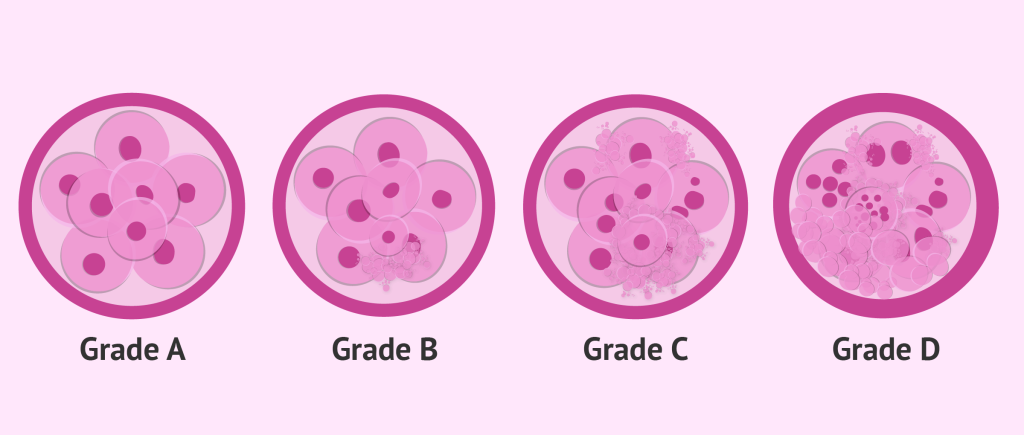
The best quality embryos are those that will be used for transfer to the future mother because of their greater potential for implantation.
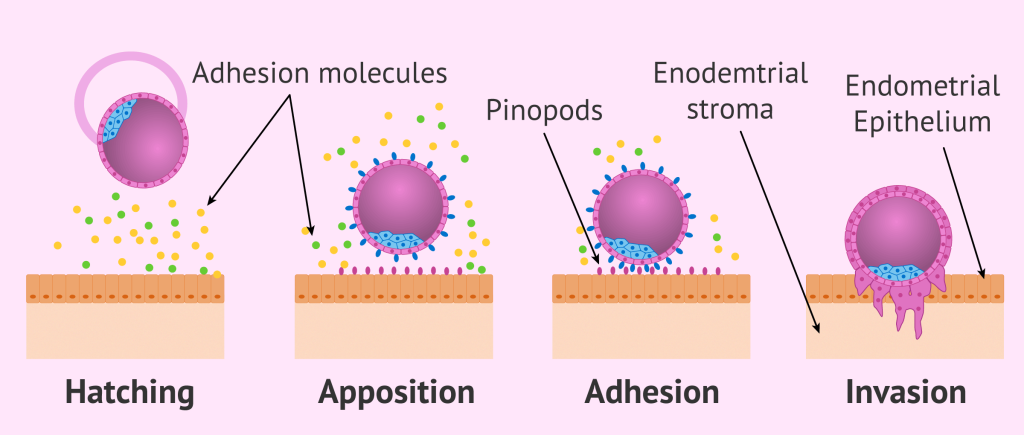
The main signs of the embryo implantation period in IVF are pain and slight bleeding, although it is not common to feel these symptoms.
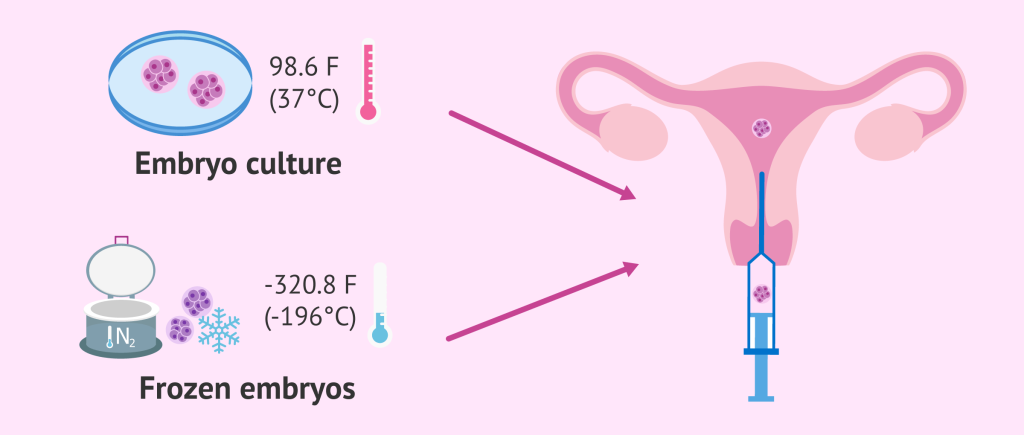
Embryo transfer, the last step of in vitro fertilization, consists of introducing the best quality embryos into the uterus.
We explain the different stages of development through which the embryo passes day by day from fertilization to transfer or freezing.
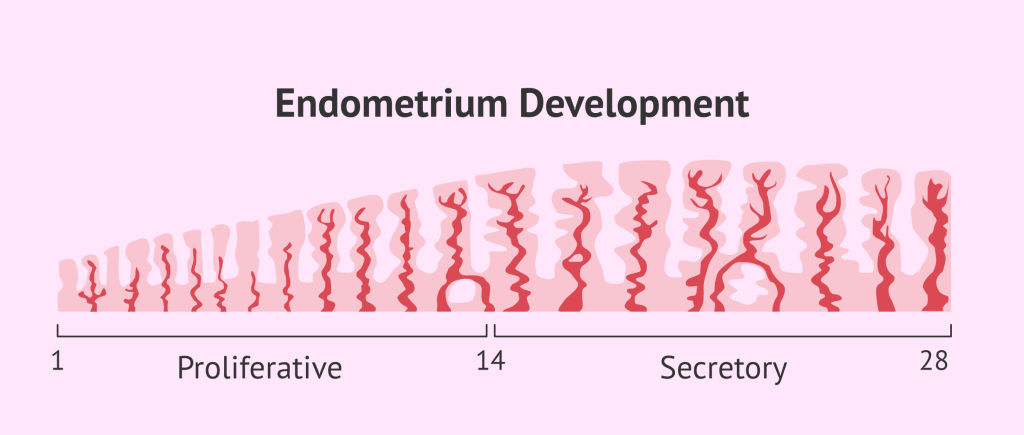
In order to favor the implantation of the embryo in the uterus, medication based on estrogens and progesterone is administered to the gestational carrier.
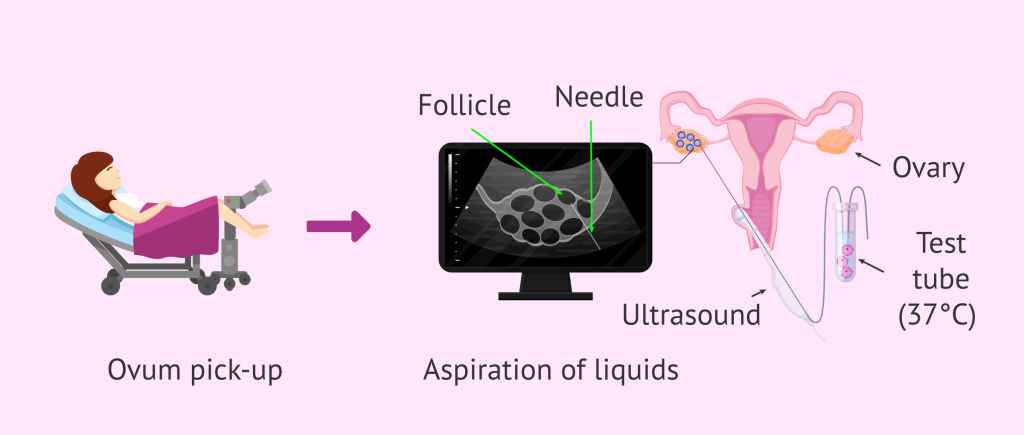
Egg retrieval or follicular puncture is a low-risk operation in which eggs are extracted in order to fertilize them in the laboratory.

ICSI is a form of in vitro fertilization in which sperm is introduced directly into the oocyte.
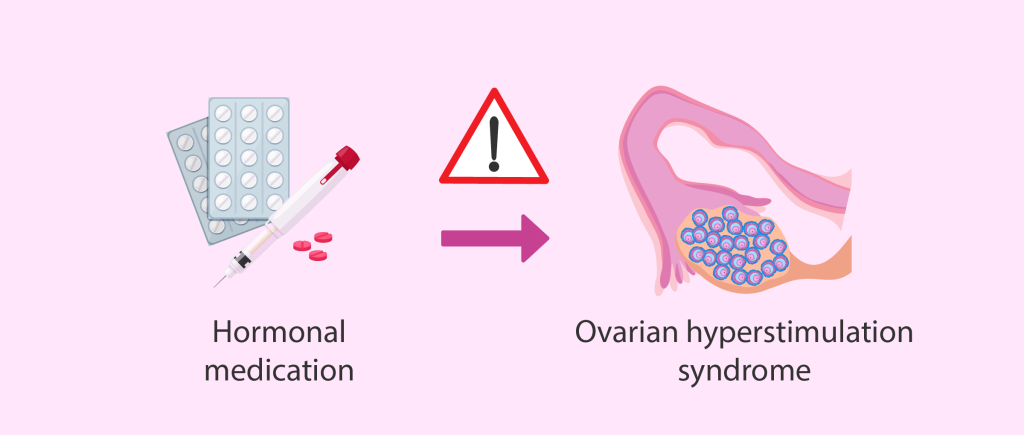
The main risks with IVF are due to the medication administered to stimulate the ovary. Problems may also arise from embryo transfer and implantation.
The success rate of in vitro fertilization varies according to numerous aspects such as the age of the woman, the technique applied, the egg origin, etc.