
Surrogacy in Australia – Is Commercial Surrogacy Allowed?
Surrogacy is legal in Australia, but only altruistic surrogacy agreements. Commercial surrogacy is banned and considered an offence in most states. The legislation varies at State level.
Surrogacy is legal in Australia, but only altruistic surrogacy agreements. Commercial surrogacy is banned and considered an offence in most states. The legislation varies at State level.

Surrogacy is legal in Canada according to the Assisted Human Reproduction Act (AHRA). Surrogacy arrangements must be altruistic, which means that surrogates can’t be paid.
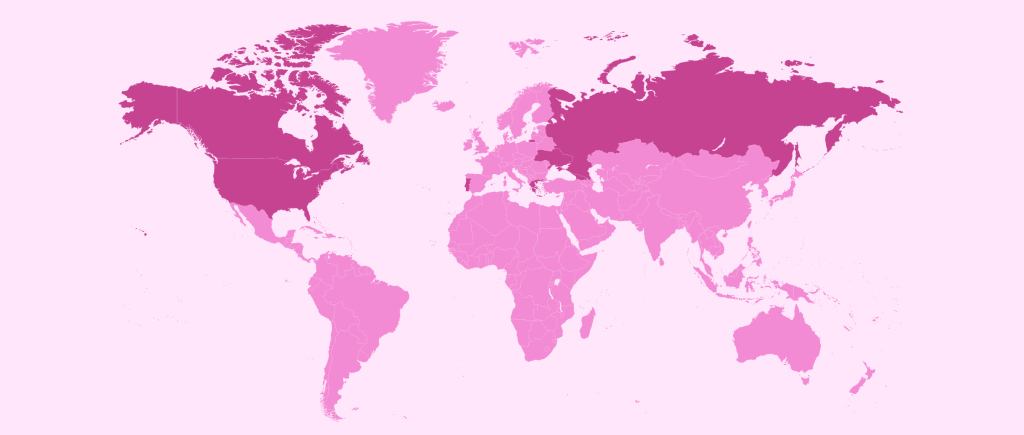
From an international perspective, surrogacy is illegal in most countries, which makes pursuing surrogacy overseas an option for many intended parents.
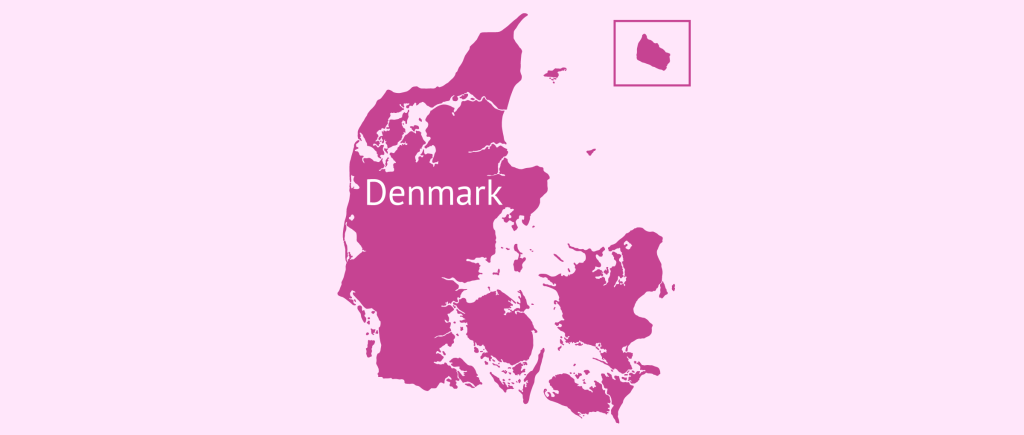
Surrogacy may be applied in Denmark, but only in the traditional form, without financial compensation and with subsequent adoption.

The Republic of Georgia is a country located in Europe where surrogacy is permitted to foreigners. Learn about the requirements and costs of surrogacy in this popular destination for surrogacy abroad.

Surrogacy is legal in the UK, as explained in the Surrogacy Arrangements Act 1985. Intended parents must apply for a parental order to be the legal parents.

Altruistic surrogacy is legal in Greece for foreign citizens since July 2014. For this reason, it is becoming a popular destination for surrogacy abroad. Learn about the requirements for IPs and surrogates here.

Guatemala does not have specific regulations on surrogacy, which makes those who carry out this procedure vulnerable.

After the passing of the Surrogacy (Regulation) Bill, 2016, India limited the access to surrogacy for non-residents and made the requirements stricter for residents as well. Now, commercial surrogacy is forbidden and surrogacy can be done between family members only.
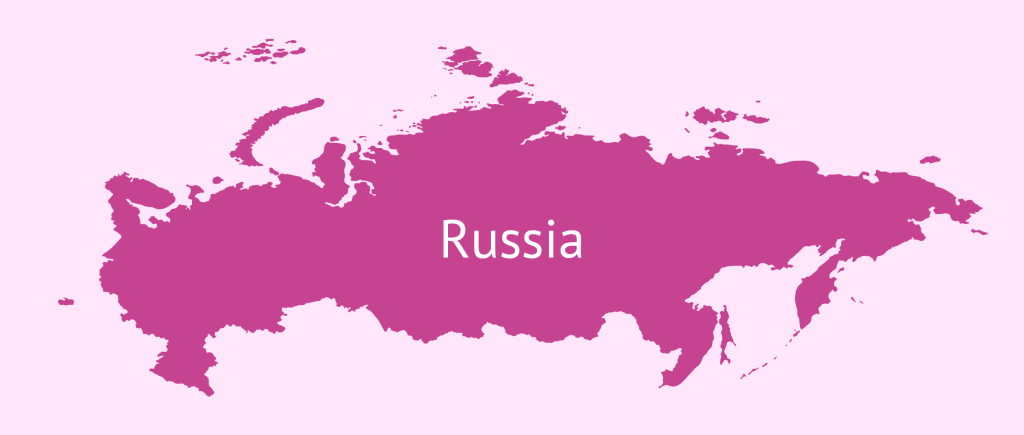
Russia is one of the few countries where surrogacy is lawful and regulated by an explicit law. Many intended parents considering surrogacy abroad choose Russia due to the affordable costs available.