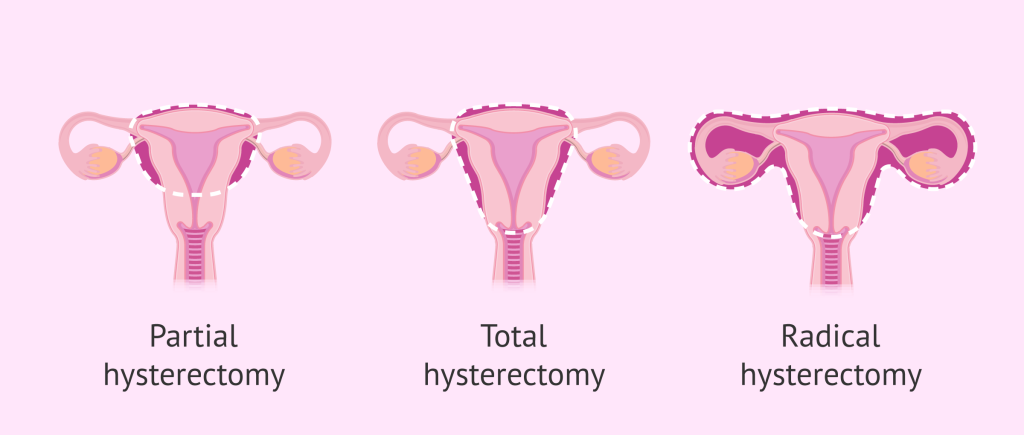
Becoming a Mother after Hysterectomy: How to Do it?
Surrogacy, adoption, and uterine transplantation are the main options a woman has to become a mother after undergoing hysterectomy or removal of the uterus.
Surrogacy, adoption, and uterine transplantation are the main options a woman has to become a mother after undergoing hysterectomy or removal of the uterus.
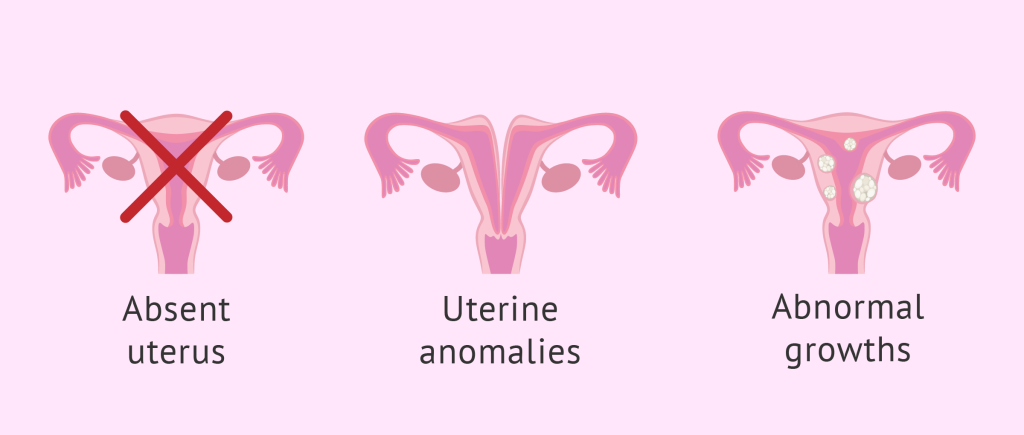
Some conditions are considered contraindications to pregnancy and women who suffer from them may need to use a surrogate to have children.
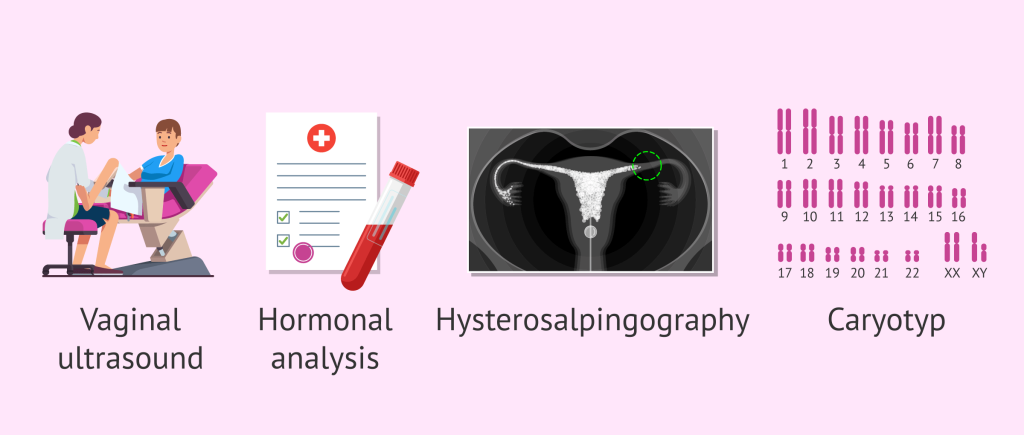
Hormone analysis, complete gynaecological check-up with transvaginal ultrasound and hysterosalpingography are the main fertility tests for women.
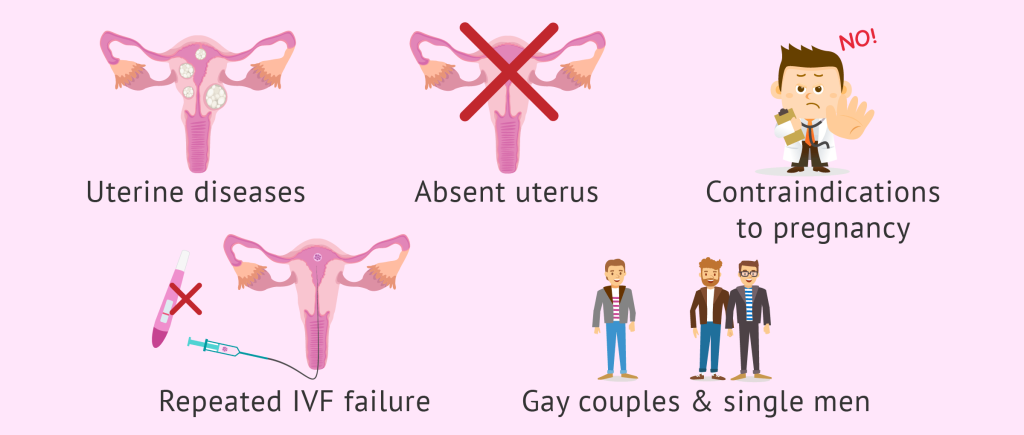
Surrogacy or surrogate motherhood may be an infertile couple’s first choice or a last resort for certain medical reasons. Absence of uterus, uterine anomalies, contraindication to pregnancy, serious medical conditions, or a biologic inability to conceive and bear a child are some causes.

Learn about the tests men have to undergo to find out whether they produce healthy, fertile sperm or not, including a semen analysis, and hormone testing.
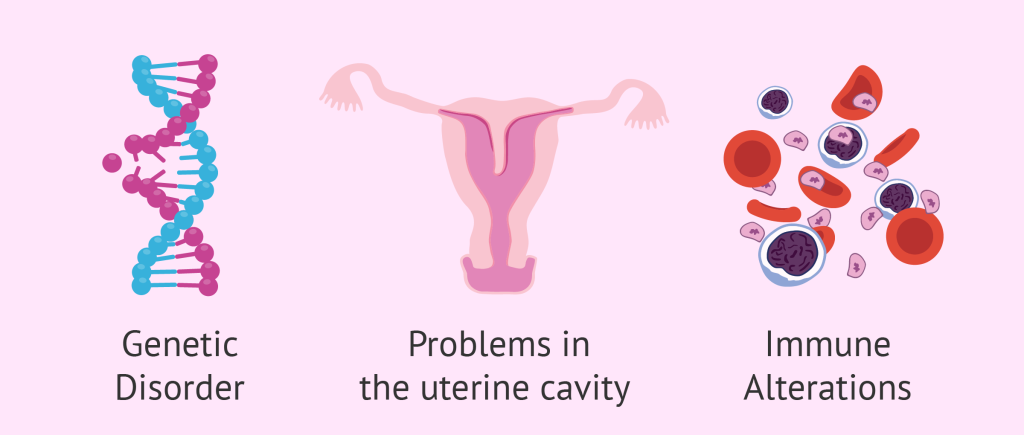
Recurrent miscarriage, also known as recurrent pregnancy loss (RPL) consists of having at least two consecutive miscarriages or more than two alternating.
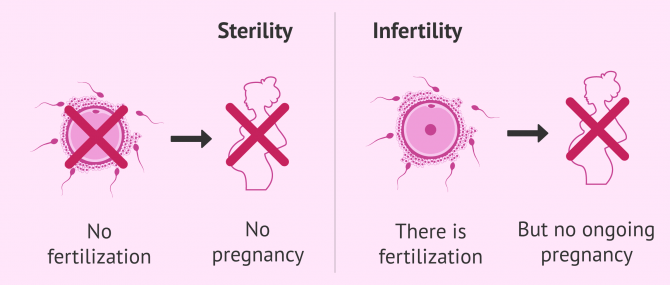
Sterility and Infertility are usually used to refer to the inability to have children, but they are not exactly the same. What makes them different?